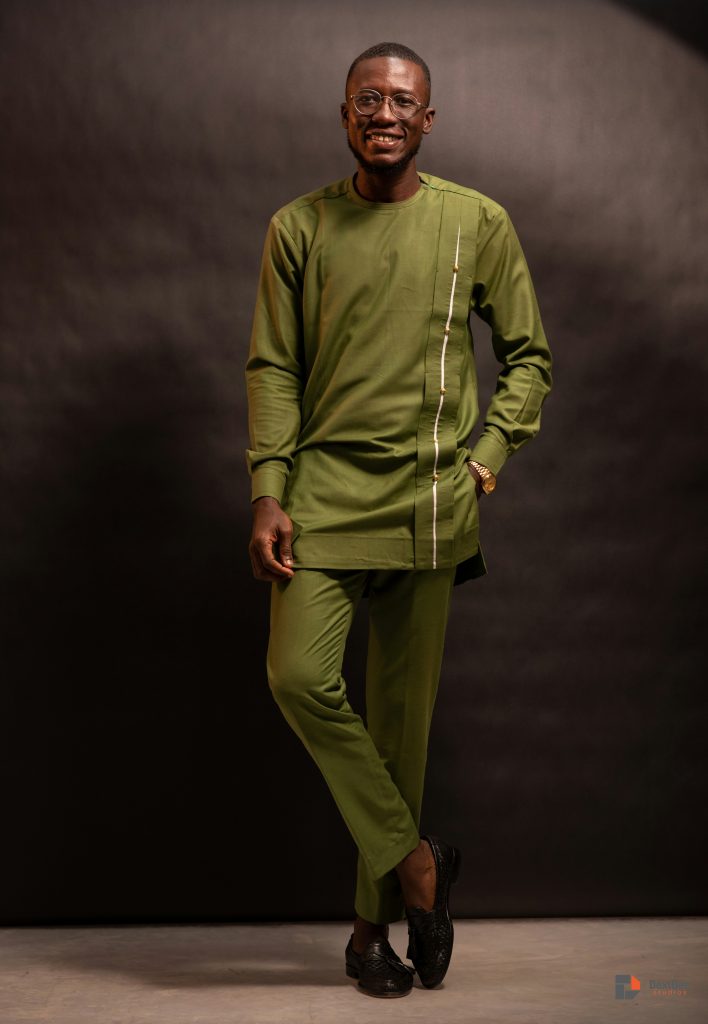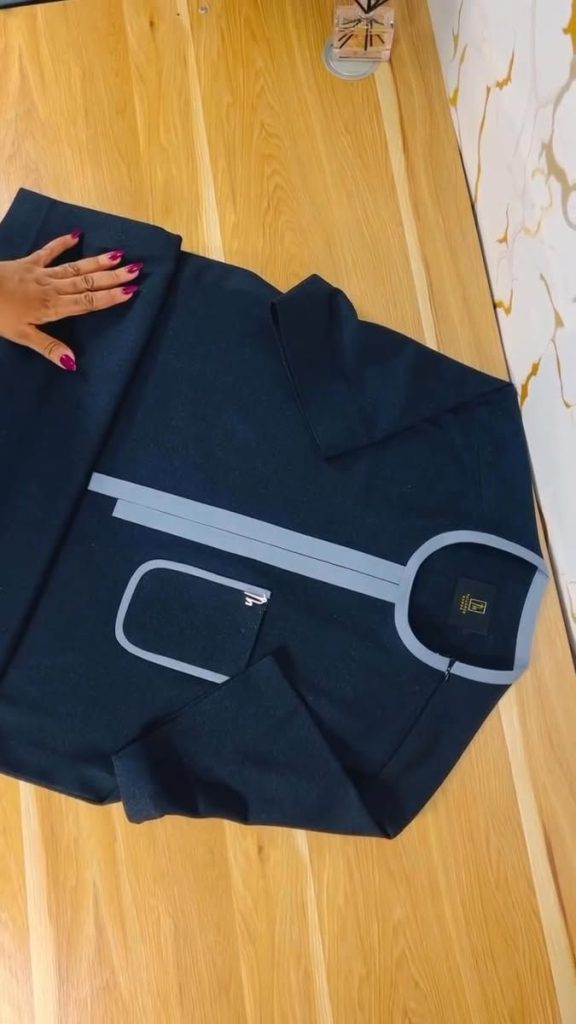
The Kaunda suit has never been merely a suit.
For decades, its distinctive collarless or mandarin-collar silhouette has carried associations with African leadership, independence, public life and a deliberate rejection of the idea that formal authority must always be expressed through a Western suit and tie.
Today, the Kaunda suit is experiencing a modern revival.
Contemporary African professionals, graduates, entrepreneurs, politicians and wedding clients are choosing the style not simply because of its history, but because it offers something increasingly valuable: formal clothing with a distinctly African identity.
A modern Kaunda suit combines the recognisable tunic-style silhouette of the traditional garment with more precise pattern cutting, improved fit, contemporary fabrics and modern tailoring techniques.
The result is formalwear that can be both culturally rooted and unmistakably contemporary.
A Brief History of the Kaunda Suit
The Kaunda suit takes its name from Kenneth Kaunda, Zambia’s first president, who became closely associated with the style.
Kaunda’s choice of clothing carried political and cultural significance.
At a time when African nations were defining their identities after colonial rule, clothing became part of the broader conversation about independence, leadership and national identity.
The Kaunda suit offered an alternative to the conventional Western business suit.
Its distinctive silhouette communicated formality and authority without relying on the traditional Western jacket, shirt and tie combination.
Across East and Southern Africa, similar styles became associated with political leadership, public life and formal occasions.
In Kenya, the garment has continued to evolve beyond its historical associations.
Today, the modern Kaunda suit can be worn by an executive, entrepreneur, graduate, groom or guest at a formal event.
What Defines a Kaunda Suit?
The exact design can vary, but traditional elements commonly include:
- A tunic-style jacket
- A collarless, mandarin or banded collar
- A front button opening
- Matching trousers
- A clean, relatively minimal silhouette
Unlike a conventional Western suit, the Kaunda suit does not rely on notched or peaked lapels as its defining feature.
The collar and tunic-style construction create its distinctive identity.
Modern tailoring, however, has introduced considerably more variation.
A contemporary Kaunda suit may feature:
- A closer shoulder fit
- More precise waist shaping
- Contemporary trouser cuts
- Modern fabrics
- Contrast stitching
- African-print accents
- Subtle embroidery
- Contemporary collar designs
The essential character remains, but the garment no longer needs to look like a historical reproduction.
The Modern Kaunda Suit Is Not the Same as the Old Kaunda Suit
One of the most important developments in contemporary African tailoring is the refinement of traditional silhouettes.
Older versions of the Kaunda suit were often designed primarily around utility and formal simplicity.
Modern versions benefit from techniques developed through contemporary bespoke tailoring.
The result is greater attention to:
- Shoulder proportion
- Jacket length
- Waist shaping
- Sleeve balance
- Trouser proportion
- Fabric selection
- Construction quality
The modern Kaunda suit can therefore retain its historical identity while achieving the fit precision expected from a contemporary bespoke garment.
This distinction matters.
A poorly fitted Kaunda suit can look oversized or dated.
A well-tailored version can look sharp, modern and highly sophisticated.
Fabric Choices for a Modern Kaunda Suit
Fabric has a significant effect on how the garment is perceived.
Lightweight Wool
Lightweight wool works well for formal and executive Kaunda suits.
It provides:
- Structure
- A refined drape
- Comfort
- A polished appearance
For Nairobi’s climate, lightweight wool and wool-blends can be particularly practical for formal versions.
Cotton
Cotton can create a softer, more relaxed Kaunda suit.
It is useful for less formal occasions and warmer weather.
Linen and Linen-Blends
Linen-blends offer excellent breathability and a more relaxed texture.
They can work particularly well for:
- Daytime events
- Outdoor occasions
- Warm-weather weddings
- Less rigid formal settings
The choice should always reflect the purpose of the garment.
Modern Kaunda Suit Colours
The traditional association of the Kaunda suit with muted colours does not limit modern interpretations.
Contemporary versions can be created in:
- Navy
- Charcoal
- Black
- Cream
- Beige
- Olive
- Burgundy
- Deep green
- Rich brown
- Other jewel tones
A navy or charcoal Kaunda suit can work well in a professional setting.
A richer colour may be more suitable for a graduation, wedding or celebration.
Colour is one of the simplest ways to make a traditional silhouette feel contemporary.
The Collar Remains the Defining Feature
The collar is the most recognisable feature of the Kaunda suit.
Rather than relying on a traditional Western lapel, the garment typically features a:
- Mandarin collar
- Band collar
- Structured stand collar
The exact design can vary according to the tailor and client’s preference.
A more minimal collar creates a cleaner modern appearance.
A more structured collar can create a stronger formal presence.
The important thing is proportion.
The collar should work with the wearer’s neck, shoulders and overall body shape.
Fit and Silhouette
The modern Kaunda suit should not simply be a large rectangular garment.
The best contemporary versions consider the same principles that apply to any high-quality tailored garment.
The tailor should consider:
- Shoulder width
- Body proportions
- Jacket length
- Waist shape
- Sleeve length
- Trouser break
- Overall balance
A modern cut may be closer to the body than older versions, but it should still allow comfortable movement.
The goal is not simply to make the garment tight.
The goal is to make the garment intentional.
Where Can You Wear a Kaunda Suit Today?
The modern Kaunda suit is remarkably versatile.
It can be worn for:
Executive and Corporate Events
A navy, charcoal or dark-toned version can provide a formal alternative to conventional Western businesswear.
Graduations
The distinctive silhouette makes it a popular choice for graduates who want something more individual than a standard suit.
Weddings
A Kaunda suit can work particularly well for grooms and wedding guests seeking a formal African aesthetic.
Political and Public Life
The garment continues to carry historical associations with African leadership and public life.
Cultural and Formal Events
For events where a conventional Western suit feels too predictable, the Kaunda suit offers a culturally resonant alternative.
Who Should Wear a Modern Kaunda Suit?
The Kaunda suit is particularly suited to people who want formalwear with a stronger sense of identity.
That may include:
- Executives
- Entrepreneurs
- Politicians
- Graduates
- Grooms
- Wedding guests
- Public speakers
- Professionals attending formal African events
The common thread is not profession.
It is the desire to wear something formal without completely separating formal style from African identity.
The Kaunda Suit and African Professional Identity
For many African professionals, the question is no longer whether formalwear must be Western.
The more interesting question is how modern African professionals can dress with authority while reflecting where they come from.
The modern Kaunda suit is one answer to that question.
It does not reject formal tailoring.
Instead, it reinterprets it.
A well-made Kaunda suit can communicate:
- Authority
- Cultural confidence
- Individuality
- Formality
- Contemporary taste
That combination is precisely what makes the garment relevant today.
Frequently Asked Questions
Is the Kaunda suit still relevant today?
Yes. Modern tailoring has refined the silhouette, fabric selection and fit, making the Kaunda suit a contemporary formalwear option for executives, graduates, grooms and formal events.
What is the difference between a modern and traditional Kaunda suit?
Modern Kaunda suits typically feature more precise pattern cutting, closer attention to fit and proportion, contemporary fabrics and updated styling while retaining the traditional tunic-style silhouette and distinctive collar.
Can a Kaunda suit be worn to a formal corporate event?
Yes. A well-tailored Kaunda suit in a suitable fabric and colour can be appropriate for formal corporate environments, particularly where a distinctive African professional identity is valued.
What fabric is best for a Kaunda suit in Kenya?
Lightweight wool and wool-blends work well for formal and executive versions. Cotton and linen-blends can be suitable for more relaxed or warm-weather occasions.
Can I wear a Kaunda suit to a wedding?
Yes. A bespoke Kaunda suit can be an excellent choice for a groom or wedding guest, particularly where the desired style is formal, distinctive and culturally expressive.
The Future of the Kaunda Suit
The Kaunda suit’s future is not about reproducing the past exactly.
It is about allowing the garment to evolve.
The most compelling modern versions respect the silhouette’s history while applying contemporary tailoring principles to fit, fabric and construction.
That is how heritage clothing remains relevant.
Not by being frozen in time, but by continuing to serve the people who wear it.
Aspire Africa Clothing creates bespoke Kaunda suits in Nairobi for clients seeking a sharper, more contemporary interpretation of African formalwear — combining individual fit, considered fabric selection and modern tailoring with a silhouette that carries genuine cultural history.